Until quite recently, the European Union’s energy policy was based on climate goals – reducing the carbon (CO2) footprint, promoting renewable sources, and transitioning to a green economy. However, February 2022 changed everything. The war in Ukraine transformed energy from an environmental issue into a security issue.
“It all started even before the war – the industrial recovery after COVID-19, supply disruptions, Asian demand for gas, and Russian manipulations in the gas market. This created a massive price spike and forced Europe to rethink its dependence on imported energy,” recalls EU energy law expert, lecturer at the VU Faculty of Law, and Glimstedt attorney Mindaugas Jablonskis. According to him, the EU lost the illusion that gas from Russia was a transitional stage – a “transit stop” on the way to renewable energy. Today, renewable energy has acquired not only an ecological but also a moral aspect: it has become a symbol of energy freedom.
A Perfect Energy Storm
According to Mindaugas Jablonskis, the energy crisis hit Europe as a “perfect storm.” Several causes coincided – the consequences of the pandemic, geopolitical tension, supply chain disruptions, and Russian political pressure. The price jump became not only an economic but also a political event, demonstrating that energy dependence on a single supplier is a direct threat to security. Consequently, the EU entered a new phase – diversification, energy saving, development of local production, and strengthening of infrastructure.
The green transformation and security are no longer alternatives – they are two parts of the same goal: the more local production and less import, the greater the stability.
Before the crisis, EU energy law focused mainly on competition – market opening, restricting monopolies, and supplier equality. However, the war added new priorities. EU decision-making deadlines were shortened, “acceleration areas” (fast-track zones) were introduced, and state aid possibilities for strategic infrastructure were expanded. This means that energy security has become an integral part of the law.
Nevertheless, as Mindaugas Jablonskis notes, this does not mean the EU allows the state to act without following competition rules. Europe continues to demand transparency, competition, and accountability – even when operating under crisis conditions.
Lithuania’s Experience as a “Laboratory”
Our country began building its energy independence long before the war in Ukraine – from the shutdown of the “Druzhba” pipeline branch to Mažeikiai, the Būtingė terminal, the LNG terminal in Klaipėda, power links with Sweden and Poland, and the synchronisation of the power grid with Continental Europe. These steps were born not out of comfort, but out of necessity, yet today they provide Lithuania with a competitive advantage.
What was once criticised as expensive or overly bold is now valued as a strategic investment in resilience. At the same time, a new tension has emerged – the conflict between speed and transparency.
New Tension: Speed vs Transparency
“When geopolitical danger arises, everyone rushes because everything was already needed yesterday; however, rushing often leads to mistakes. Improperly organised tenders, single-participant competitions, or unjustified exemptions later lead to legal problems and result in European Commission investigations. EU law does not call for centralisation in Brussels; it requires procedural purity. Speed must go hand in hand with clear rules, otherwise, an ‘accelerated project’ may come to a halt in a courtroom,” states the EU energy law expert.
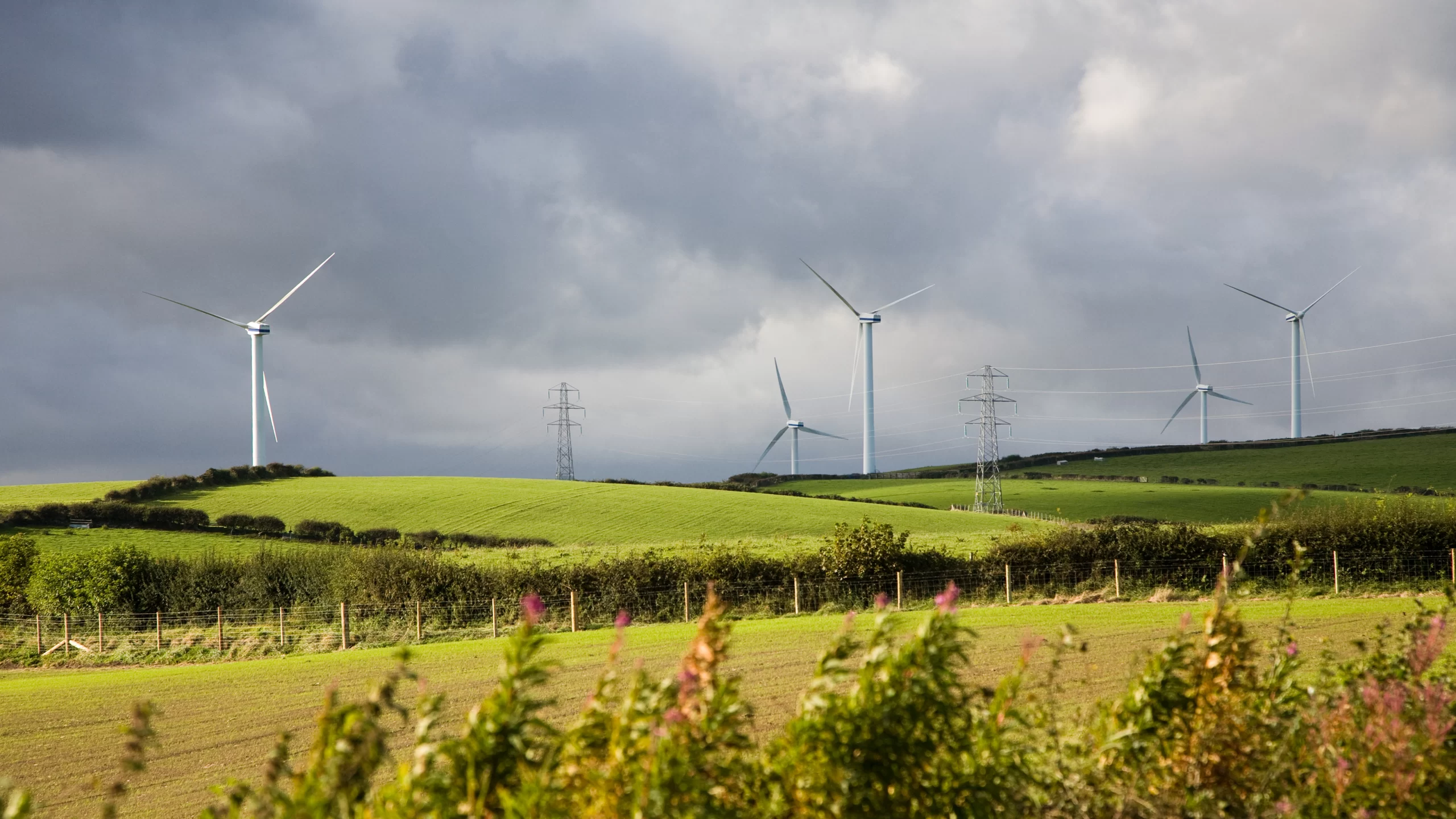
Critics often claim that green policy hinders energy independence, but the reality is the opposite. The energy crisis encouraged businesses to invest in renewable sources because it became economically beneficial. High prices and supply risks turned solar, wind, or biomethane projects into a rational choice. Local generation not only reduces emissions but also ensures predictable costs over the long term. This is a new economic logic that connects climate and security.
For business, this means that energy must become a strategic topic, not just a cost line. Energy price management, long-term Power Purchase Agreements (PPAs), self-generation solutions, or consumption efficiency measures are essential to maintain competitiveness. Simultaneously, the importance of legal compliance is growing – permits, environmental assessments, grid access, and state aid rules. Every step in this area carries a financial and reputational price.
In the Lithuanian context, three directions are paramount – permit system reform, grid modernisation, and balancing solutions that allow for the safe integration of increasing amounts of green energy.
According to Mindaugas Jablonskis, the combination and expansion of renewable energy (wind, solar, biofuel) and CO2-neutral generation must become the backbone of the system; however, it is essential to simultaneously develop hybrid systems, storage, and flexible consumption technologies. Industrial electrification and biomethane development will help reduce dependence on imported fuel and, at the same time, strengthen the country’s economic security.
A Double Compass
EU energy policy has changed not because of ideology, but out of necessity. Today, the green transformation and security are inseparable – they form a double compass showing the direction in which both states and businesses must move.
The sooner we accept this new reality, the fewer chaotic decisions there will be during crises, and the more predictability there will be for investments. In this story, Lithuania has not only experience but also the opportunity to show the way.
“Energy is no longer just the price of a kilowatt-hour,” Mindaugas Jablonskis concludes. “It is the architecture of state security and the formula for business competitiveness. The earlier we realise this, the more peacefully we will live the next time the world is shaken by energy prices.”